
Construction Finance: How Drawdowns Actually Work
Development funding is released in stages against completed work. Understanding the drawdown cycle is the difference between a smooth build and a stalled site.
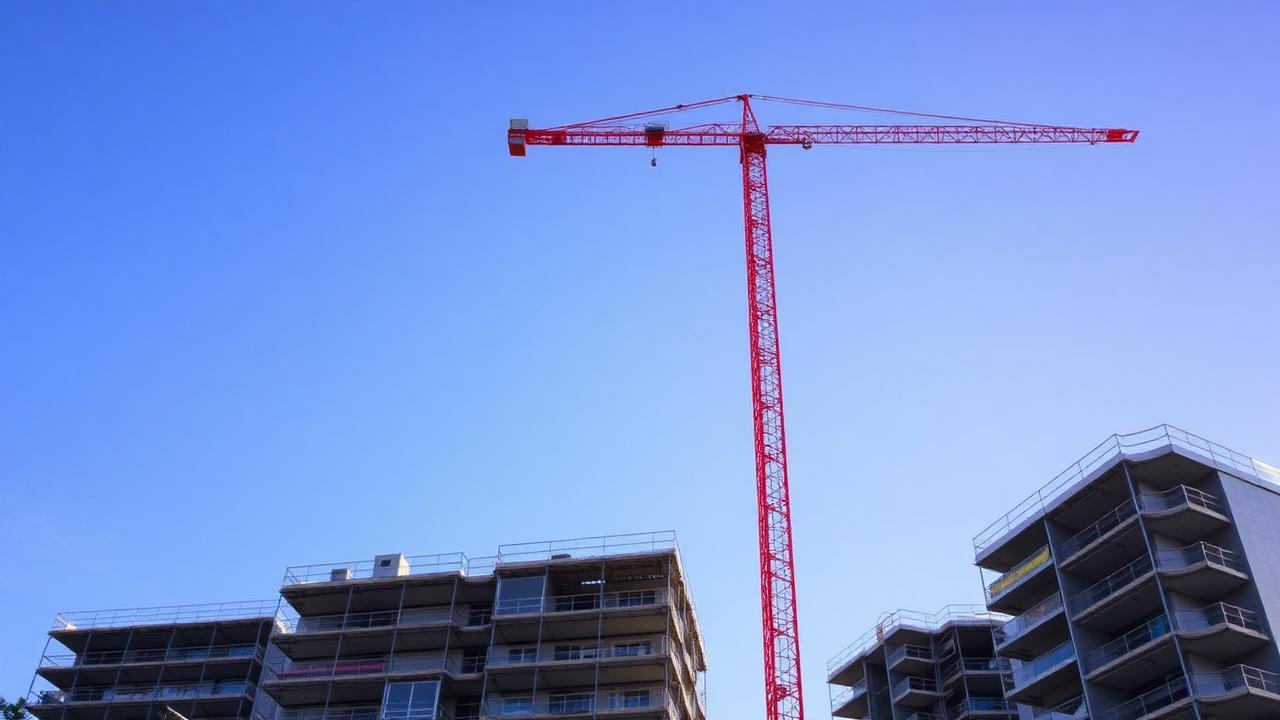
A development facility is not a lump sum. Land is usually funded at settlement, and construction funds are released progressively against work completed on site. Every drawdown is a small approval process, and a developer who understands that cycle protects their program.
The drawdown cycle, step by step
- The builder issues a progress claim for a completed stage.
- A quantity surveyor or the lender inspects and certifies the value of work in place.
- The lender checks that the remaining facility plus your equity still completes the project — the cost-to-complete test.
- Funds are released, usually to the builder, and interest begins accruing on the newly drawn amount.
Each cycle takes time. Build that time into your cash flow, because builders expect payment on their terms regardless of the lender calendar.
Cost to complete is the gate
This is the test that stops projects. At every drawdown the lender asks whether the undrawn facility plus committed equity is still enough to finish. Variations, delays and cost escalation eat that margin. If the answer becomes no, funding pauses until you contribute additional equity — mid-build, under time pressure, which is the worst moment to be raising capital.
The practical defences are a genuine contingency of around 5 to 10 per cent of build cost, disciplined variation control, and telling your lender about a cost problem early rather than at the claim.
Interest and the closing balance
Development interest is normally capitalised, and is typically charged on drawn funds rather than the full limit. Because the balance grows with each drawdown, model the closing debt at practical completion, not the day-one figure. Then check that your exit — sale or refinance — clears that closing balance with room to spare at a conservative price.
Presales, or not
Bank construction facilities usually require substantial qualifying presales. Private development funding can proceed with fewer, or none, pricing the additional risk instead. That flexibility is genuinely valuable in a slow presale market, but it puts more weight on the completion value and the sell-down assumptions. Be conservative with both.
Where private funding fits a development
- Land acquisition, including short settlements, before construction funding is in place.
- Construction finance with immediate drawdowns against progress.
- Up-front capital for approvals, design, head works and council contributions.
- Cost and delay cover where a facility is short and the build must continue.
- Residual stock funding to retire the construction facility while the final units sell.
What to bring
A complete submission moves fastest: site details and title, development approval, a full cost plan or a fixed-price building contract, builder details and track record, a feasibility with sales evidence, your equity contribution, the program, and the exit strategy with dates. If any of those is not final, say so — an honest gap is manageable, an optimistic assumption discovered at drawdown three is not.
Tell us the site, the cost plan and the exit, and we will come back with an indicative rate, LVR and timeline.