
Joint Ventures and Private Equity in Property Development
When debt alone will not complete a project, equity fills the gap. How development joint ventures are structured and what to agree before the site settles.
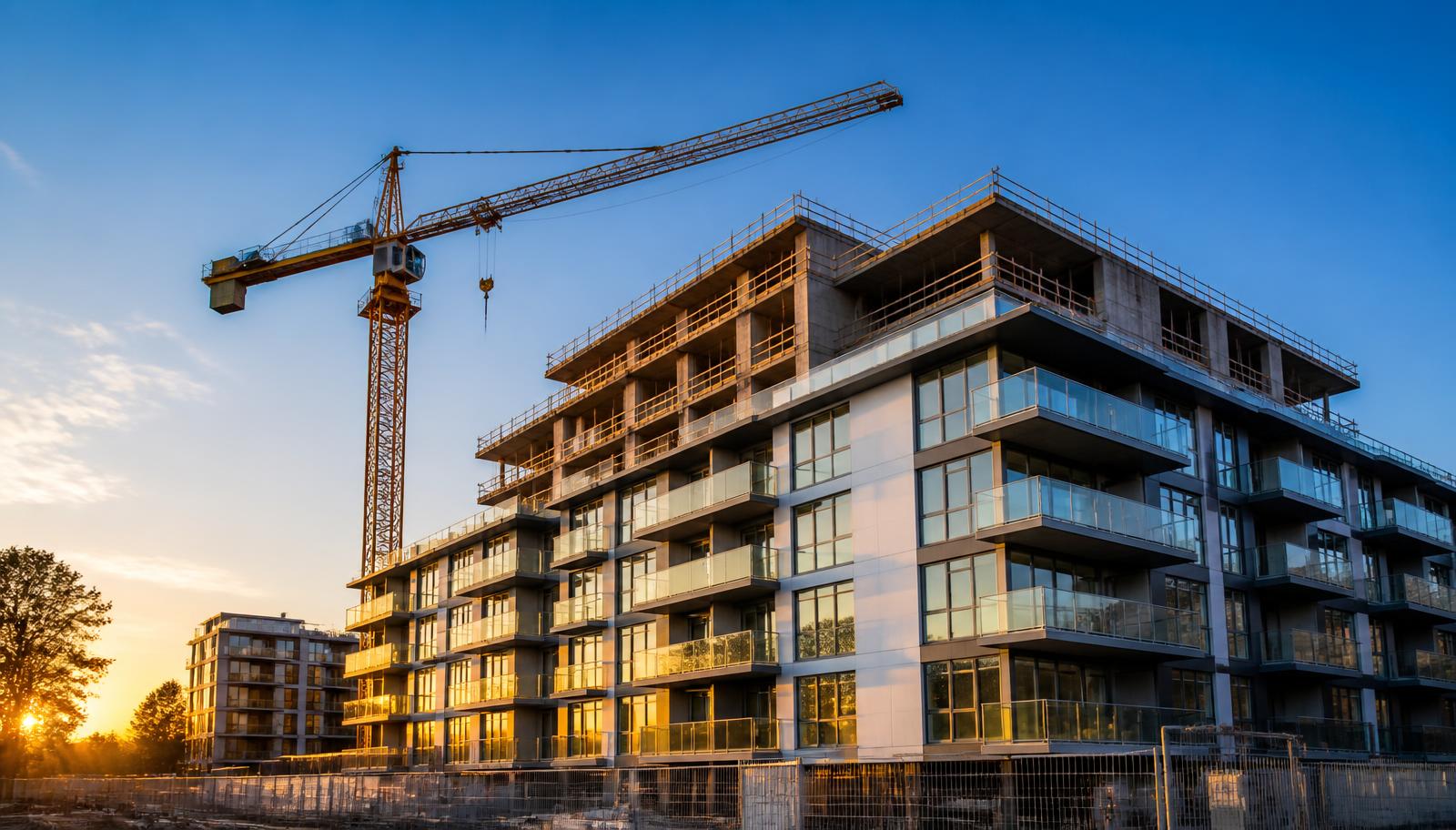
Most stalled developments are not bad projects. They are good projects with a hole in the capital stack. Senior debt covers a portion of cost, the developer contributes equity, and somewhere between the two sits a gap that debt alone will not fill. Joint venture equity and private equity exist for that gap.
Debt and equity are different instruments
Debt has a rate, a term and a first claim on proceeds; it does not care how profitable the project is, only that it is repaid. Equity takes a share of the profit and takes the loss first if the project underperforms. Because the risk is higher, equity is more expensive than debt — and because it does not need to be serviced on a schedule, it can make an otherwise impossible project viable.
Most developers should use as much sensible debt as the project supports, then fill the remainder with equity. Using equity for everything is expensive; using debt for everything is often not possible.
Common structures
- Profit-share joint venture — the capital partner contributes funds and takes an agreed share of net profit, often after a preferred return.
- Preferred equity — a fixed return ranking ahead of the developer equity, sometimes with a profit participation on top.
- Land equity — the partner funds or contributes the site, with the developer delivering the project.
- Special purpose vehicle — a company or unit trust for the single project, with the agreement written into the shareholder or unitholder deed.
Agree these things before the site settles
Almost every joint venture dispute traces back to something that was not documented at the start. Settle the following in writing:
- The waterfall. Exactly how proceeds are applied: senior debt, costs, preferred return, capital, then profit split.
- Control and decisions. Who signs the building contract, who approves variations above a threshold, who sets sale prices.
- Cost overruns. Who funds them, on what terms, and what happens to the split if one party cannot.
- Timing. What happens if the project runs late, and whether the preferred return keeps accruing.
- Exit and deadlock. Buy-sell mechanics, drag and tag rights, and how a genuine disagreement is resolved.
- Developer fees. What is paid during delivery versus taken from profit.
What capital partners assess
Two things above all: the project and the person. On the project — feasibility, cost plan, approvals, sales evidence, program and margin under a downside case. On the developer — completed projects of similar type and scale, the builder relationship, and how previous problems were handled. A developer who explains a past overrun candidly is more fundable than one who claims a perfect record.
Test the downside first
Run the feasibility with sale prices 10 per cent lower, costs 10 per cent higher and settlement six months later. If the project still repays senior debt and returns capital, the structure is robust. If it only works on the base case, reduce the leverage or renegotiate the split before you commit.
Malouf Capital funds land acquisition and construction, provides up-front capital for approvals and head works, and participates in joint venture and private equity structures on selected projects. Send us the feasibility, the capital stack and the exit, and we will tell you where we can sit.